Altitude hydration math: what to carry over 10k.
Daily liters, electrolyte timing, and the soft-flask + reservoir combo that actually works.
The math changes above 10,000 feet
Altitude is a hydration multiplier you can't feel until you're behind. Above 10,000 feet you lose water faster on two fronts at once: respiration (dry air, faster breathing) and the altitude-driven diuretic effect that has you stopping more often than the water you drank explains. Add Colorado's low humidity and the sweat you never see because it evaporates instantly, and a rule of thumb that worked at sea level fails you at the lake basin.
For an alpine day, plan on roughly half a liter per hour of moving time, and round up when the route is exposed or the day is warm. A six-hour day in the Indian Peaks is a three-liter day, before the drive home. Most people pack two and ration by accident.
Sip on a schedule
The second half of the math is when, not how much. Two habits carry most of the value. Front-load: drink half a liter with breakfast, before you walk; starting hydrated is worth more than any mid-hike heroics. Then sip on a schedule; above 10k, thirst reports late, and by the time it speaks you're already a headache's worth behind. A sip every ten to fifteen minutes beats a chug every hour: steady small volumes absorb; a flood mostly passes through.
Electrolytes belong in the plan on any day past three hours. Water alone replaces volume but not the sodium you're sweating out, and the classic bonk-that-isn't-a-bonk (nausea, headache, water sloshing in your stomach that you can't seem to absorb) is often the electrolyte gap talking. Put the electrolytes in the second bottle rather than the first, and again mid-afternoon. Salty snacks at the turnaround count toward the same ledger.
Altitude is a hydration multiplier you can't feel until you're behind.
The combo that actually works
The gear question is really an access question: water you have to stop for is water you won't drink on schedule. The setup that solves it pairs a reservoir in the pack for scheduled sipping (the hose is the whole point: no stopping, no unclipping) with a soft flask or bottle riding a hip-belt or shoulder pocket for the electrolyte mix. Two containers, two jobs: plain water on the hose, mix in the flask, and you never have to dose an entire reservoir with electrolytes you might not want in hour one.
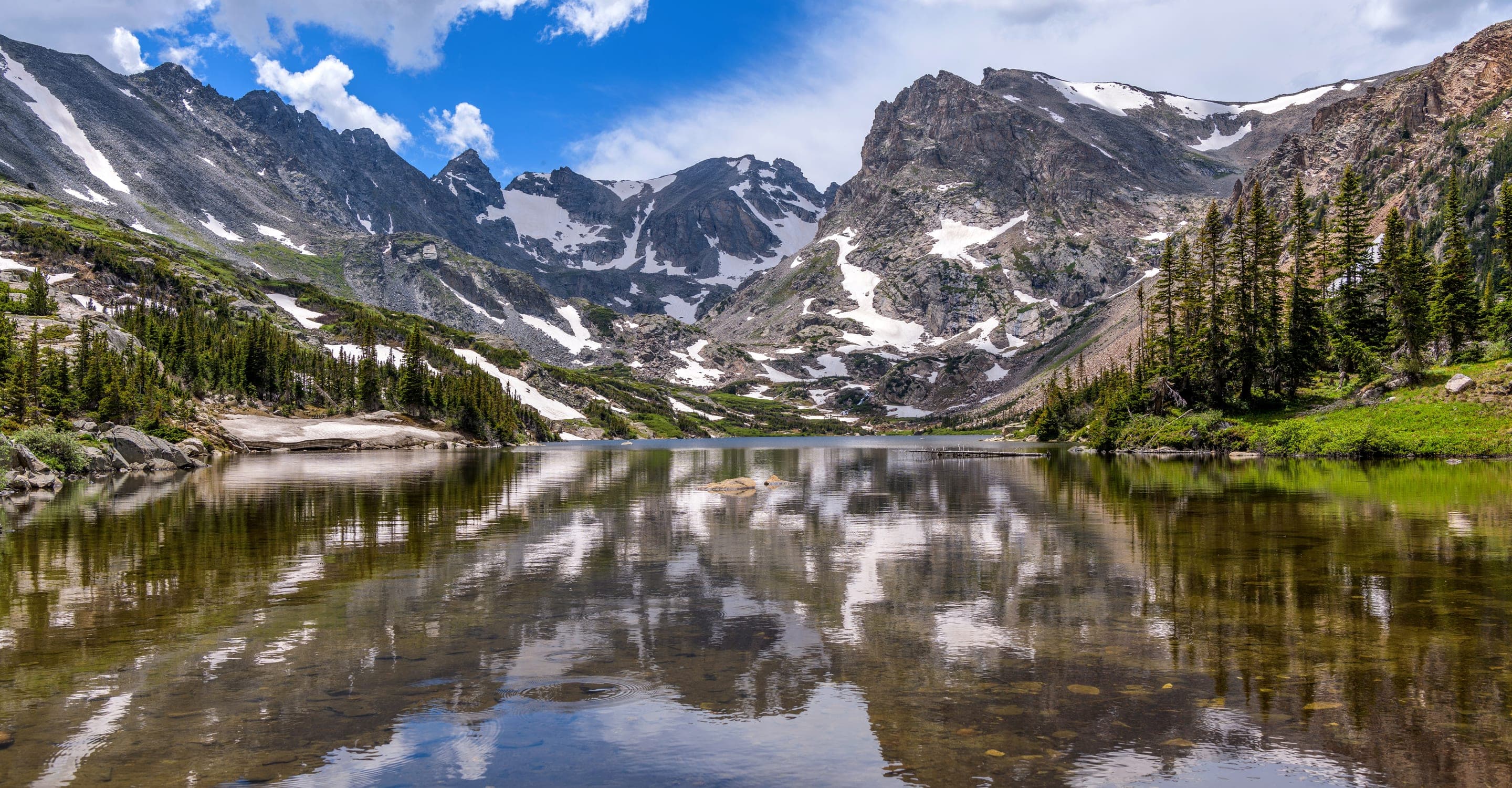
On longer routes, the third piece is a filter that makes lakes and creeks part of the plan instead of scenery. Something like the Backcountry Water Filter at 3.4 ounces turns the water-math problem inside out: instead of carrying six hours of water, you carry two hours and a way to make more wherever the map shows blue. A route like Lake Isabelle (alpine, lake-anchored, honest climbing) is exactly where the carry-less-filter-more approach shows its worth.
The signs you're already behind
Dehydration at altitude announces itself in a specific order, and every stop on the ladder is cheaper to fix than the next. First: you stop needing to pee, or the color goes dark. That's the earliest objective signal, hours ahead of how you feel. Then the low-grade headache that hikers reflexively pin on altitude; sometimes it is the altitude, but drink half a liter and wait twenty minutes before you conclude that. Then the energy dip that reads as "I'm just tired": dehydrated muscles genuinely underperform, and the fatigue is real even though the diagnosis is wrong. By the time you reach nausea and chills, you're managing a problem instead of preventing one, and the fix is shade, electrolytes, and patience, not chugging.
The confounder is that early dehydration and early altitude sickness overlap almost completely: headache, fatigue, nausea. The practical response is the same either way: stop climbing, drink with electrolytes, reassess in half an hour. If hydration fixes it, it was the cheap problem. If it doesn't, take the altitude answer seriously and head down. Never use "it's probably just dehydration" as a reason to keep climbing through symptoms that are getting worse.
The checkpoint habit
One habit ties the math together: check your ledger at every natural stop. At the junction, at the lake, at the saddle, run the five-second ledger: how much you've drunk, how much is left, and whether the split matches the day remaining. Catching a deficit at the halfway lake is a correction; discovering it on the descent is a headache you'll carry to the car.
And the ledger doesn't close at the trailhead. The descent tricks people: it feels easier, so the sipping schedule stops, and the deficit you built in the last two downhill hours shows up on the drive home as the "altitude headache" that was really a hydration one. Leave a full bottle in the car. Future you, sitting in trailhead-exit traffic, will drink the whole thing.