Great Sand Dunes: shoulder-season day-hike playbook.
Wind, footwear, and the late-September window when the dunes are at their best.
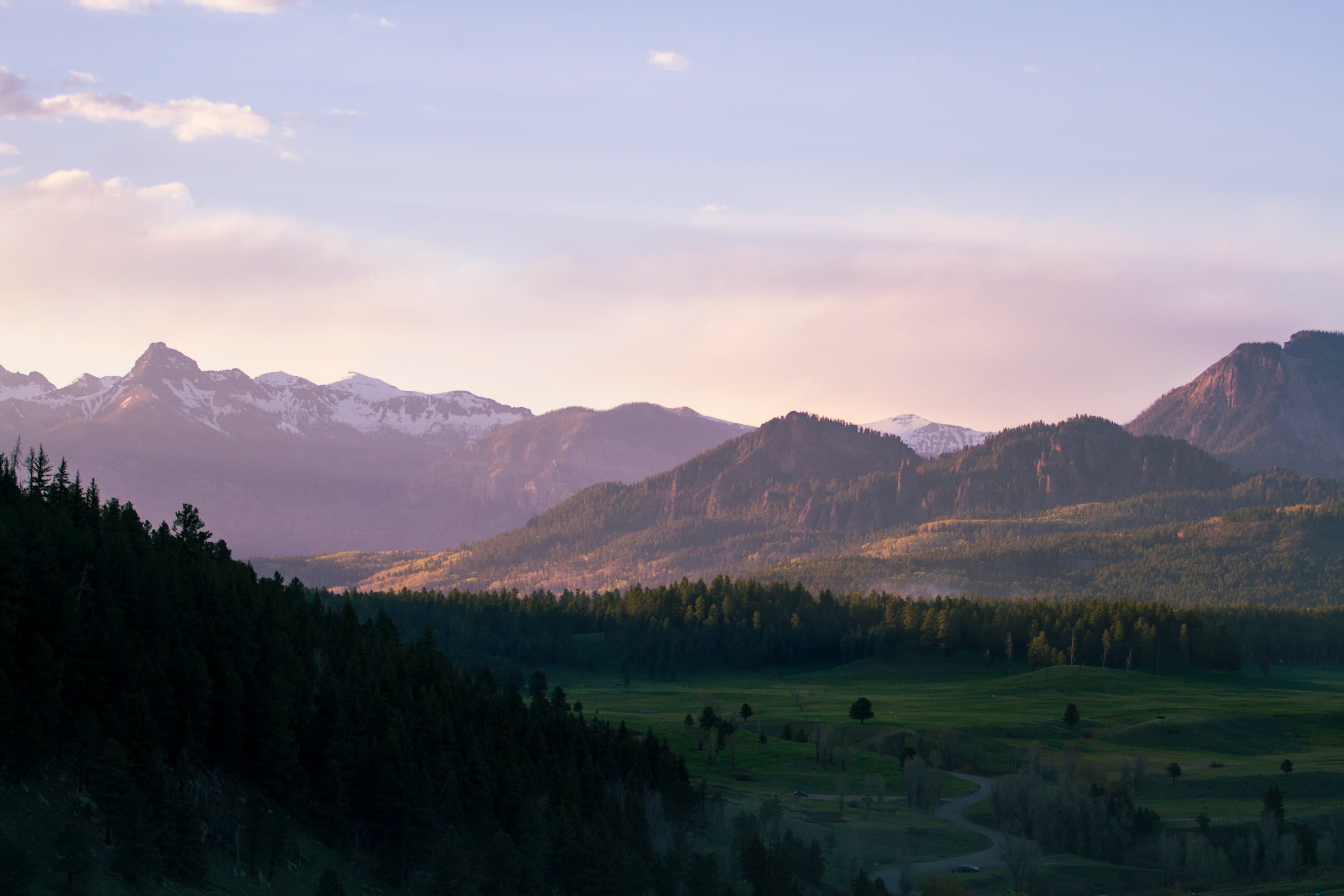
The dunes run on a different calendar
North America's tallest dunefield sits in a high mountain valley at around 8,200 feet, which means it never behaves like the desert postcard people expect. Summer afternoons cook the open sand well past comfortable: surface temperatures on exposed sand routinely run far hotter than the air, and there is no shade between you and the ridge line. Winter brings real cold and wind-crusted snow on the lee faces. The dunes' season, the one locals plan around, is the shoulders, and the fall shoulder is the quiet one.
Late September earns the recommendation: summer's monsoon pattern has usually wound down, the valley's fierce spring winds are months away on either side, and the crowds that come for the creek have gone home with the creek itself. Medano Creek is a spring snowmelt event, typically at its best in late May and gone to a trickle or dry by fall. What's left is cool sand, long light, and a dunefield you can hear.
Read the wind before anything else
Valley forecasts will give you temperature and storms; the dunefield cares about wind. This is a wind-built landscape sitting in a valley that funnels it; what feels like a stiff breeze at the parking area becomes sandblasting at shin height out on the open field, because the moving grains travel low. A morning start matters twice over: winds in the valley tend to build with daytime heating, and the sand itself is walkable-cool early even on a warm day.
Read the ridge lines when you top out: plumes of sand smoking off the crests mean the grains are moving; put the glasses on before you climb into it. On those days, hike the lee faces, keep your phone and camera zipped away except for deliberate moments, and plan your snack stops for the sheltered troughs between dunes rather than the summits.
The dunes' season, the one locals plan around, is the shoulders, and the fall shoulder is the quiet one.
Footwear: less boot, more gaiter
Sand swallows boots. The move most first-timers get wrong is lacing into heavy waterproof hikers: waterproof means the sand that inevitably gets in has no way out, and a stiff sole just gives the grains a bigger ledge to collect on. Light, closed, breathable shoes with gaiters over the top are the right tool here; heavy boots carry more sand per mile. The Trail Gaiters keep the top of the shoe sealed through the ankle-deep descents. On this landscape, that's the assignment. (Barefoot is a real option in the cool shoulder-season mornings, but carry the shoes; the sand warms fast once the sun gets on it.)
Bring more water than the mileage suggests (dune walking costs roughly double the effort of trail walking for the same distance) and sun protection sized for zero shade: the high-altitude sun rules in our layering guide, minus the trees.
Assembling the day
Arrive early, walk while the sand is cool and the wind is low, pick your high point by line of sight (there are no trails on the dunefield; you navigate by ridge lines, and every route is yours to choose), and be generous with your time estimate: a dune that looks twenty minutes away is usually an hour of two-steps-up-one-slide-back. Descend the steep faces you'd never climb; running a lee face down is the best free ride in Colorado hiking.
Fall shoulder-season conditions, access, and any event closures change year to year; check the park's official channels for current information before you make the drive.