How to size a daypack for Front Range day hikes.
Frame length, hip-belt fit, and the 18-25L sweet spot for Boulder routes.
Start with your back, not the bag
Daypack sizing goes wrong in the store and shows up on the trail. The number that matters first isn't liters. It's torso length, the distance from your C7 vertebra (the bony bump at the base of your neck) to the top of your hip bones. Have someone measure it once and you'll never guess at a pack size again. Most day-hiking frames run in ranges (roughly 16 to 19 inches covers a "regular"), and a pack whose harness matches your torso will make the same load feel noticeably lighter.
The tell of a wrong frame length is where the weight lands. Too long, and the load drifts onto your shoulders while the hip belt rides your stomach. Too short, and the belt sits above your hip bones doing nothing while the shoulder straps dig. Either way, your shoulders end the day sore and you blame the pack's padding, when the problem was geometry from the first step.
The hip belt does the work
A day load should ride on your hips. As a working rule, aim for most of the weight on the belt with the shoulder straps just keeping the pack against your back. Fit the belt so its pads wrap the crest of your hip bones, not your waist. Buckle it snug before you tighten anything else, then bring the shoulder straps in until they contact without pressing. If your pack has load-lifter straps at the top of the shoulders, angle them gently: they fine-tune, they don't rescue a bad frame fit.
Here's the check that takes ten seconds at any trailhead: loosen your shoulder straps completely. If the pack barely moves, your hip belt fits and the frame length is right. If the whole load slumps, the belt was decorative.
If the pack barely moves, your hip belt fits and the frame length is right. If the whole load slumps, the belt was decorative.
The 18-25 liter sweet spot
For Front Range day routes, 18 to 25 liters is the honest range. Below 18, you're playing luggage Tetris the first time the forecast asks for a real shell and an extra layer. Above 25, the pack invites weight you don't need for a day out of Boulder, and empty volume sags and swings.
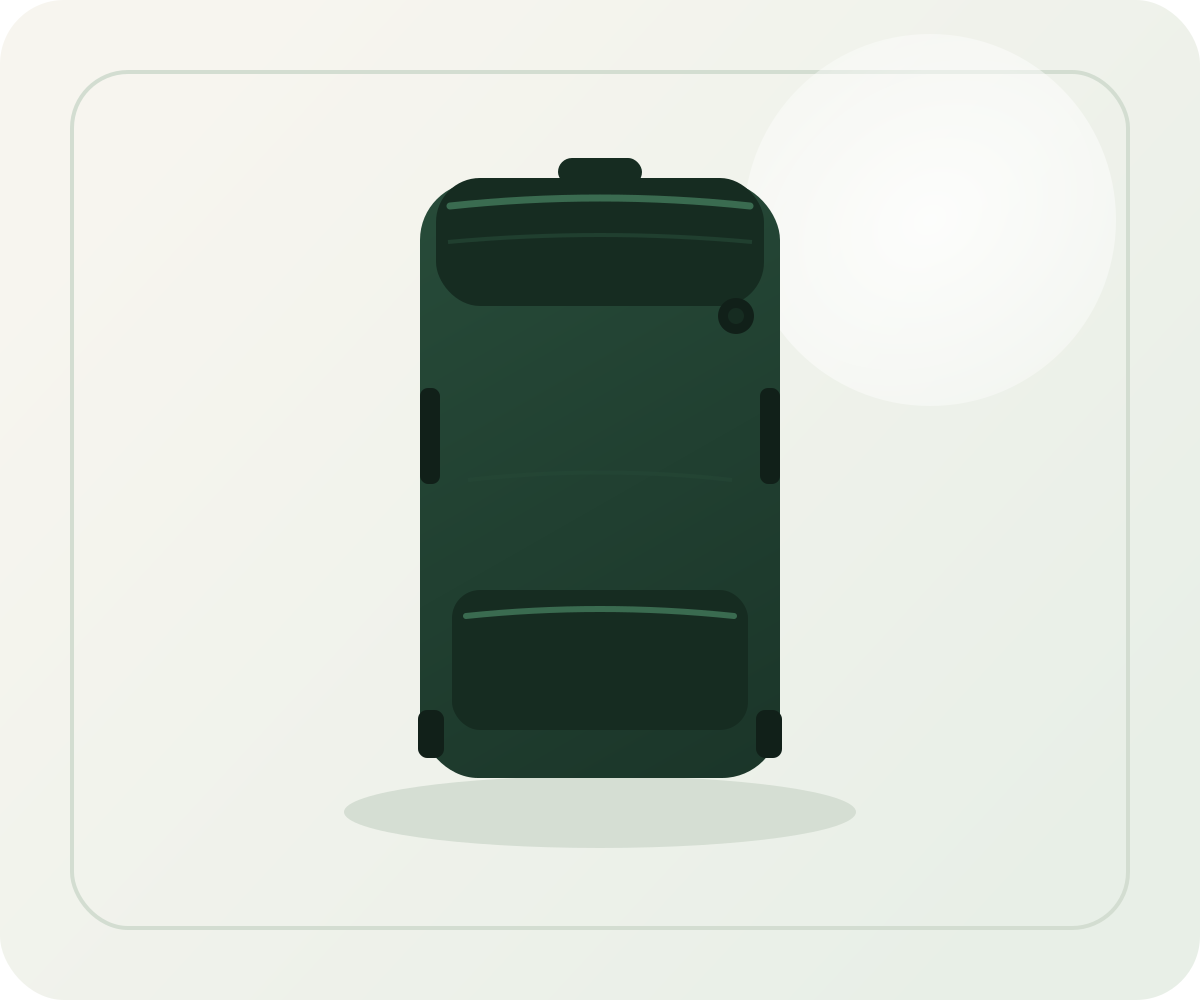
The list is short: water for the day, a shell, an insulating layer for the summit or the shade, food, and a small safety kit. That list fits a 20-liter bag with room to compress. Something like the All-Day Summit Pack sits at the top of the range on purpose: 24 liters is headroom for a summit layer and extra water without tipping into overpacking territory, and its structure keeps a fuller load from sagging into your lumbar.
The straps everyone ignores
The sternum strap has a real job. Clipped across your chest and lightly tensioned, it keeps the shoulder straps from splaying outward on scrambly moves and rocky step-ups, the moments a swinging pack most wants to throw your balance. The calibration is "snug, not strapped in": you should be able to take a full breath against it. If it's carrying real load, your hip belt has given up and the sternum strap is compensating for the wrong problem.
Load lifters, the small straps running from the top of the shoulder harness back to the frame, earn a second mention because almost everyone sets them wrong once and never again touches them. Their job is to pull the top of the pack in toward your shoulder blades so the load stops leaning away from you on climbs. Snug them until the pack body just kisses your back, and stop; cranked flat, they lift the shoulder straps off your shoulders and undo the fit you built.
Load it so the fit holds
A correctly sized pack still carries badly if the weight is in the wrong place. Densest items ride close to your spine, centered between your shoulder blades. Water is usually the heaviest single thing in a day pack; a reservoir sleeve holds it exactly where it belongs, and if you carry bottles instead, they go in the pocket closest to your back, not swinging off the sides. Light, bulky things (the insulating layer, lunch) fill the space around the dense core; the shell rides on top or in an outside pocket because you'll want it fastest.
Then use the compression straps like you mean it. A half-full pack cinched tight carries like a small pack; the same pack left loose carries like a duffel bag doing an impression of a pack. Every time the load shrinks (lunch eaten, layer worn), take the ten seconds to snug the straps again. Sag means the straps need another pass, not a bigger pack.
Prove it on an easy route first
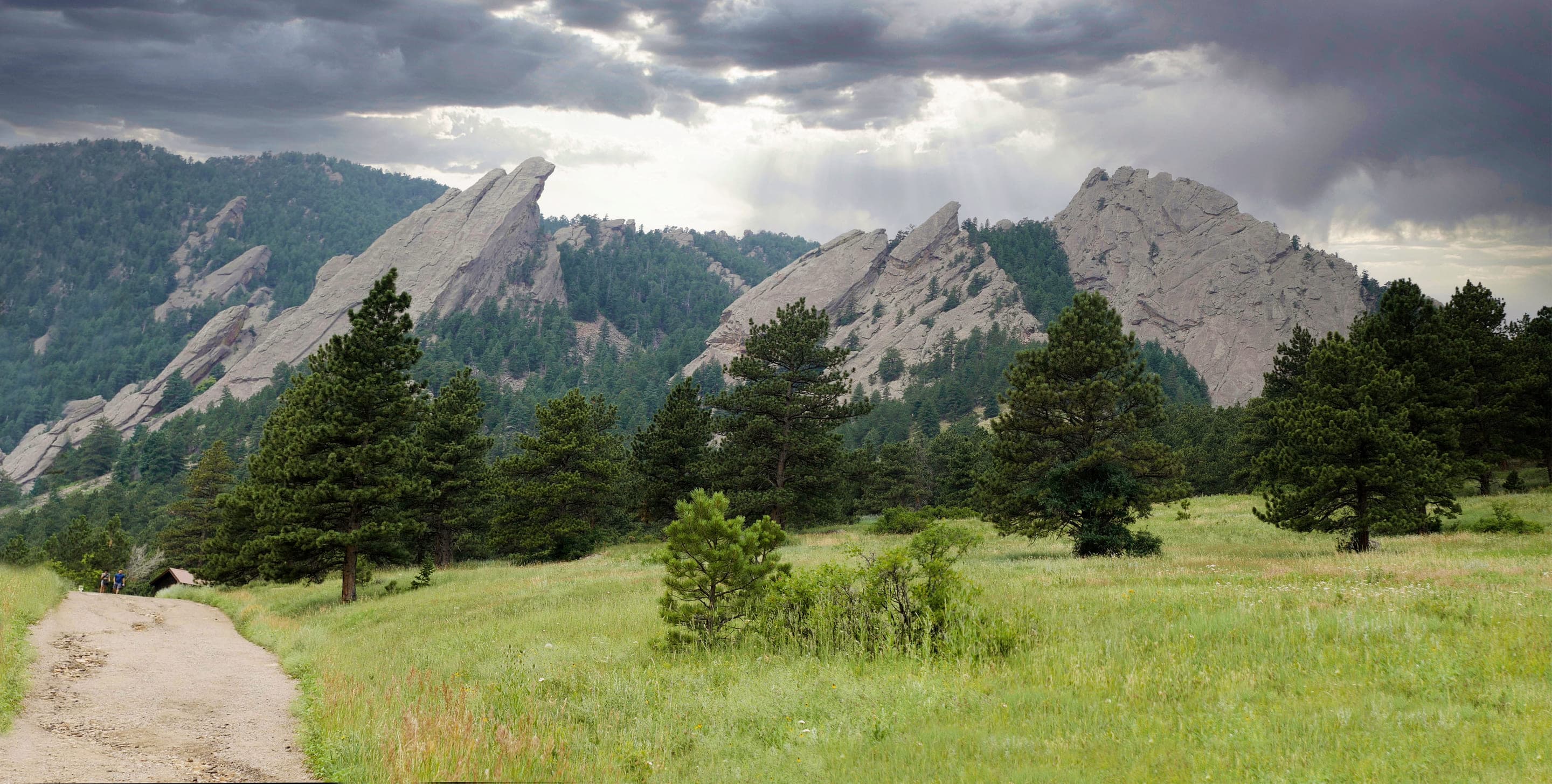
No mirror has ever confirmed a pack fit. Load the pack with your real day kit, not a store's sandbags, and take it up something short and steep. Chautauqua out of Boulder is the classic shakedown: enough climbing in the first mile to tell you where the weight actually sits, close enough to home that a bad fit costs you an hour, not a day. If the belt holds, the straps stay quiet, and nothing new hurts at the top, the pack fits. If you're re-tightening every ten minutes, revisit the torso measurement before you blame anything else.